

Hey there! As a supplier of Impeller Feeders, I often get asked if our product is suitable for viscous materials. It's a question that's both valid and important, so let's dig into it.
First off, let's quickly go over what an Impeller Feeder is. An Impeller Feeder is a type of equipment used in various industries to control the flow of materials. It works by using an impeller, which rotates inside a housing, to move materials from a hopper or storage area to a processing unit. The impeller's design and speed can be adjusted to regulate the feed rate, making it a versatile tool for many applications.
Now, when it comes to viscous materials, things get a bit tricky. Viscous materials are those that have a high resistance to flow. Think of substances like honey, molasses, or thick pastes. These materials don't flow easily and tend to stick to surfaces, which can pose challenges for traditional feeding equipment.
So, is an Impeller Feeder up to the task? Well, the answer isn't a simple yes or no. It depends on several factors.
Factors to Consider
Viscosity Level
The first and most obvious factor is the viscosity of the material. Some viscous materials are only slightly thick, while others are extremely sticky. For moderately viscous materials, an Impeller Feeder can work quite well. The impeller's rotation can help break up the material and keep it moving. However, for highly viscous materials, the feeder might struggle. The material could stick to the impeller and housing, causing blockages and reducing the feeder's efficiency.
Impeller Design
The design of the impeller itself plays a crucial role. A well-designed impeller for viscous materials will have features that help prevent sticking. For example, it might have a special coating or a unique shape that allows the material to slide off more easily. Some impellers also have sharp edges or protrusions that can cut through the viscous material, making it easier to move.
Speed and Power
The speed at which the impeller rotates and the power of the motor driving it are also important. A higher speed can sometimes help overcome the resistance of viscous materials, but it also needs to be balanced. If the speed is too high, it could cause the material to splash or create a lot of dust. On the other hand, if the speed is too low, the material might not move at all. The power of the motor should be sufficient to handle the extra load that comes with feeding viscous materials.
Advantages of Using an Impeller Feeder for Viscous Materials
Despite the challenges, there are some advantages to using an Impeller Feeder for viscous materials.
Precise Feeding
One of the main benefits is the ability to achieve precise feeding. The impeller's design allows for accurate control of the feed rate, which is crucial in many industrial processes. Whether you're adding a specific amount of a viscous additive to a mixture or feeding a thick material into a production line, an Impeller Feeder can help ensure that the right amount is delivered consistently.
Versatility
Impeller Feeders are relatively versatile. They can be used with a variety of materials, not just viscous ones. This means that if your production process involves different types of materials at different times, you can use the same feeder for multiple applications. It's a cost-effective solution that can save you both time and money.
Easy to Maintain
Compared to some other types of feeding equipment, Impeller Feeders are generally easy to maintain. They have fewer moving parts, which means there's less that can go wrong. Regular cleaning and inspection can help keep the feeder in good working condition, even when dealing with sticky materials.
Challenges and Solutions
As mentioned earlier, there are challenges when using an Impeller Feeder for viscous materials. But don't worry, there are solutions.
Sticking and Blockages
To prevent sticking and blockages, you can use a combination of techniques. One option is to heat the material. Increasing the temperature can reduce its viscosity, making it easier to flow. You can also use a lubricant or anti-sticking agent on the impeller and housing. This can help the material slide off more easily and prevent it from building up.
Wear and Tear
Viscous materials can cause more wear and tear on the impeller and housing. To address this, you can choose a feeder made from high-quality, wear-resistant materials. Regular maintenance and replacement of worn parts can also help extend the lifespan of the feeder.
Real-World Applications
Let's take a look at some real-world applications where an Impeller Feeder might be used for viscous materials.
Food Industry
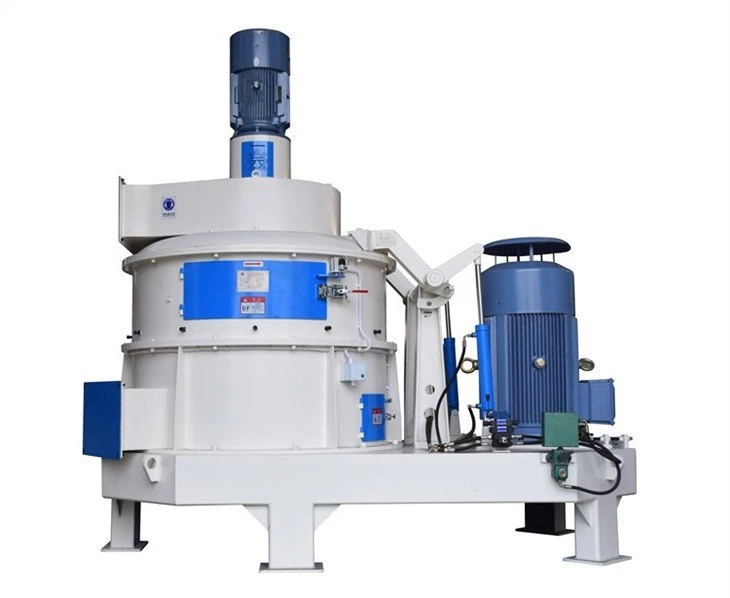
In the food industry, there are many viscous materials that need to be fed accurately. For example, Animal Feed Grinder might need to add a thick molasses or syrup to animal feed. An Impeller Feeder can help ensure that the right amount of the sticky substance is added to each batch of feed.

Pharmaceutical Industry
The pharmaceutical industry also deals with viscous materials, such as thick ointments or pastes. An Impeller Feeder can be used to feed these materials into packaging machines or mixing tanks, ensuring precise dosing and consistent quality.
Chemical Industry
In the chemical industry, there are various viscous chemicals that need to be processed. An Impeller Feeder can be used to control the flow of these materials, whether it's adding a thick polymer to a reaction vessel or feeding a sticky adhesive into a production line.
Conclusion
So, to sum it up, an Impeller Feeder can be suitable for viscous materials, but it depends on the specific circumstances. If you're dealing with moderately viscous materials and have the right impeller design, speed, and power, an Impeller Feeder can be a great choice. It offers precise feeding, versatility, and easy maintenance. However, for highly viscous materials, you might need to take additional steps to overcome the challenges of sticking and blockages.
If you're in the market for an Impeller Feeder or have questions about using it for your specific viscous material, don't hesitate to reach out. We're here to help you find the best solution for your needs. Whether you're in the food, pharmaceutical, chemical, or any other industry, we can provide you with the expertise and equipment you need to get the job done right.
References
- "Feeding Technology Handbook" by Feeding Equipment Manufacturers Association
- "Industrial Viscosity Measurement" by ASTM International