

Vibration in a drag conveyor can lead to various issues, including premature wear and tear, increased maintenance costs, and potential product spillage. As a seasoned drag conveyor supplier, I've encountered numerous scenarios where clients faced challenges due to excessive conveyor vibration. In this blog post, I'll share practical strategies that can effectively reduce the vibration of a drag conveyor, ensuring a smoother and more efficient operation.
Understanding the Causes of Vibration in Drag Conveyors
Before delving into the solutions, it's crucial to understand the root causes of vibration in drag conveyors. Some common factors include:
- Imbalanced Loads: When the material being conveyed is unevenly distributed within the conveyor, it can cause imbalances that lead to vibration. This often occurs when the material feed is inconsistent or when the conveyor is loaded beyond its design capacity.
- Misaligned Components: Misalignment of the conveyor chain, sprockets, or idlers can generate significant vibration. Over time, wear and tear, improper installation, or thermal expansion can cause these components to shift out of alignment.
- Worn-Out Parts: As parts of the drag conveyor, such as the chain, bearings, and sprockets, wear out, they can introduce irregularities into the conveyor's operation, resulting in vibration.
- Loose Fasteners: Loose bolts, nuts, or other fasteners can cause parts of the conveyor to move independently, leading to vibration. Regular inspection and tightening of these fasteners are essential to prevent this issue.
- Mechanical Resonance: In some cases, the natural frequency of the conveyor structure may coincide with the frequency of the driving force, leading to resonance and excessive vibration. Understanding the natural frequencies of the conveyor system is crucial for avoiding resonance.
Strategies to Reduce Drag Conveyor Vibration
1. Ensure Proper Loading and Material Distribution
Maintaining a consistent and evenly distributed load is key to reducing vibration in a drag conveyor. Here are some tips to achieve this:
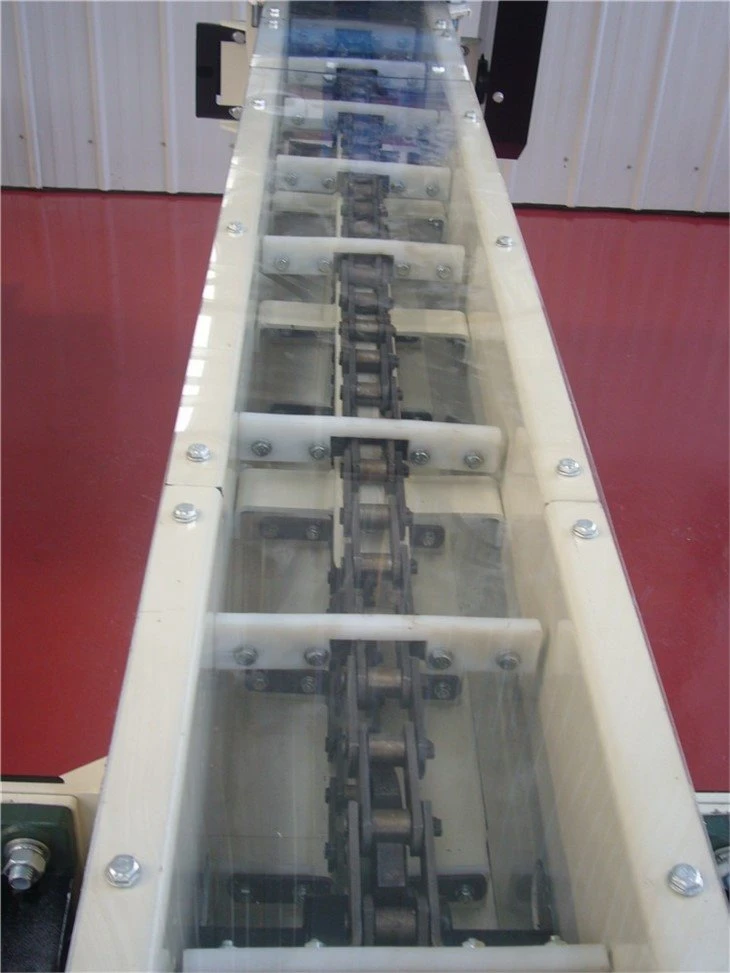
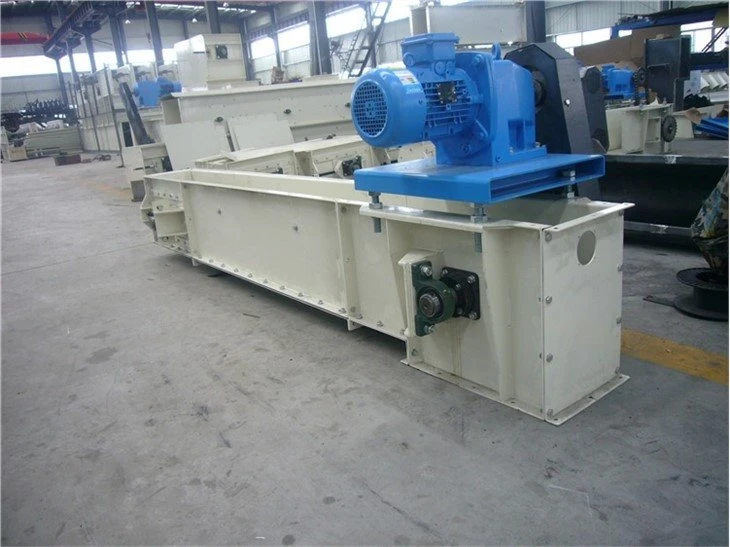
- Optimize the Feeding System: Use a reliable and consistent feeding system to ensure that the material is introduced into the conveyor at a steady rate. This can help prevent sudden surges or fluctuations in the load, which can cause imbalances.
- Adjust the Conveyor Speed: The speed of the conveyor should be adjusted based on the characteristics of the material being conveyed. A slower speed may be necessary for heavier or bulkier materials to ensure proper distribution.
- Use Spreader Plates or Feed Chutes: Spreader plates or feed chutes can be installed at the inlet of the conveyor to evenly distribute the material across the width of the conveyor. This helps to prevent the formation of concentrated loads that can cause vibration.
2. Align Conveyor Components
Proper alignment of the conveyor chain, sprockets, and idlers is essential for minimizing vibration. Here's how you can ensure accurate alignment:
- Regularly Inspect and Adjust Alignment: Establish a regular maintenance schedule to inspect the alignment of the conveyor components. Use alignment tools, such as laser alignment devices or precision measuring instruments, to ensure that the components are properly aligned.
- Correct Misalignments Promptly: If misalignments are detected, take immediate action to correct them. This may involve adjusting the position of the sprockets, re-tensioning the chain, or replacing worn-out idlers.
- Follow Manufacturer's Guidelines: When installing or replacing conveyor components, follow the manufacturer's guidelines for alignment and installation. This ensures that the components are properly installed and aligned from the start.
3. Replace Worn-Out Parts
Worn-out parts can significantly contribute to vibration in a drag conveyor. Regular inspection and replacement of these parts are essential to maintain smooth operation. Here are some key components to monitor:
- Chain: The conveyor chain is subjected to high stress and wear during operation. Check the chain for signs of excessive wear, such as elongation, corrosion, or damaged links. Replace the chain when necessary to ensure proper tension and smooth operation.
- Bearings: Bearings play a crucial role in supporting the conveyor shaft and reducing friction. Inspect the bearings regularly for signs of wear, such as excessive play, noise, or heat. Replace worn-out bearings promptly to prevent vibration and premature failure.
- Sprockets: Sprockets are responsible for transmitting power from the motor to the conveyor chain. Check the sprockets for signs of wear, such as tooth damage or uneven wear. Replace worn-out sprockets to ensure proper engagement with the chain and smooth operation.
4. Tighten Loose Fasteners
Loose fasteners can cause parts of the conveyor to move independently, leading to vibration. Regular inspection and tightening of these fasteners are essential to prevent this issue. Here's what you can do:
- Establish a Tightening Schedule: Develop a regular schedule for inspecting and tightening the fasteners on the conveyor. This should include bolts, nuts, and other fasteners that are prone to loosening.
- Use Locking Devices: Consider using locking devices, such as lock washers or thread-locking compounds, to prevent fasteners from loosening over time. These devices can help to maintain the integrity of the conveyor structure and reduce vibration.
- Train Maintenance Personnel: Ensure that maintenance personnel are trained on the proper inspection and tightening procedures for the conveyor fasteners. This helps to ensure that the fasteners are tightened to the correct torque and that any potential issues are identified and addressed promptly.
5. Address Mechanical Resonance
Mechanical resonance can cause excessive vibration in a drag conveyor, leading to premature wear and failure. Here are some strategies to address resonance:
- Determine the Natural Frequencies: Use vibration analysis techniques to determine the natural frequencies of the conveyor structure. This can help you identify the frequencies at which resonance may occur.
- Modify the Conveyor Design: If resonance is detected, consider modifying the conveyor design to change the natural frequencies. This may involve adding or removing structural members, changing the material properties, or adjusting the dimensions of the conveyor.
- Use Vibration Dampers: Vibration dampers can be installed on the conveyor to absorb and dissipate the energy generated by resonance. These dampers can help to reduce the amplitude of the vibration and prevent damage to the conveyor components.
Importance of Regular Maintenance
Regular maintenance is essential for reducing vibration in a drag conveyor and ensuring its long-term reliability. Here are some key maintenance tasks that should be performed regularly:
- Visual Inspections: Conduct regular visual inspections of the conveyor to check for signs of wear, damage, or misalignment. Look for loose fasteners, worn-out parts, and any other issues that may contribute to vibration.
- Lubrication: Ensure that all moving parts of the conveyor, such as the chain, bearings, and sprockets, are properly lubricated. Lubrication helps to reduce friction and wear, which can contribute to vibration.
- Cleaning: Keep the conveyor clean and free of debris. Accumulated material or dirt can cause imbalances and increase friction, leading to vibration.
- Performance Monitoring: Use vibration monitoring equipment to track the vibration levels of the conveyor over time. This can help you detect any changes in the vibration patterns and identify potential issues before they become major problems.
Conclusion
Reducing the vibration of a drag conveyor is essential for ensuring its smooth and efficient operation. By understanding the causes of vibration and implementing the strategies outlined in this blog post, you can effectively minimize vibration and extend the lifespan of your conveyor. As a [Your Company] drag conveyor supplier, we are committed to providing high-quality conveyor solutions and expert support to help you optimize your conveyor system's performance.
If you're experiencing vibration issues with your drag conveyor or are looking to improve its performance, we encourage you to [Contact Us] for a consultation. Our team of experts can assess your specific needs and recommend the best solutions for your application.
References
- Conveyor Equipment Manufacturers Association (CEMA). Conveyor Design Manual.
- ASME B29.1 - Roller Chains, Attachments, and Sprockets.
- ISO 10816 - Mechanical vibration - Evaluation of machine vibration by measurements on non - rotating parts.