

Optimizing the drying process in a belt dryer is crucial for enhancing efficiency, improving product quality, and reducing operational costs. As a belt dryer supplier, I have witnessed firsthand the challenges and opportunities that come with this task. In this blog post, I will share some practical tips and strategies to help you optimize the drying process in your belt dryer.
Understanding the Basics of Belt Dryers
Before delving into optimization techniques, it's essential to understand how belt dryers work. A belt dryer consists of a continuous belt that moves through a drying chamber. The material to be dried is placed on the belt, and hot air is circulated through the chamber to remove moisture. The drying process can be divided into three main stages: preheating, constant rate drying, and falling rate drying.
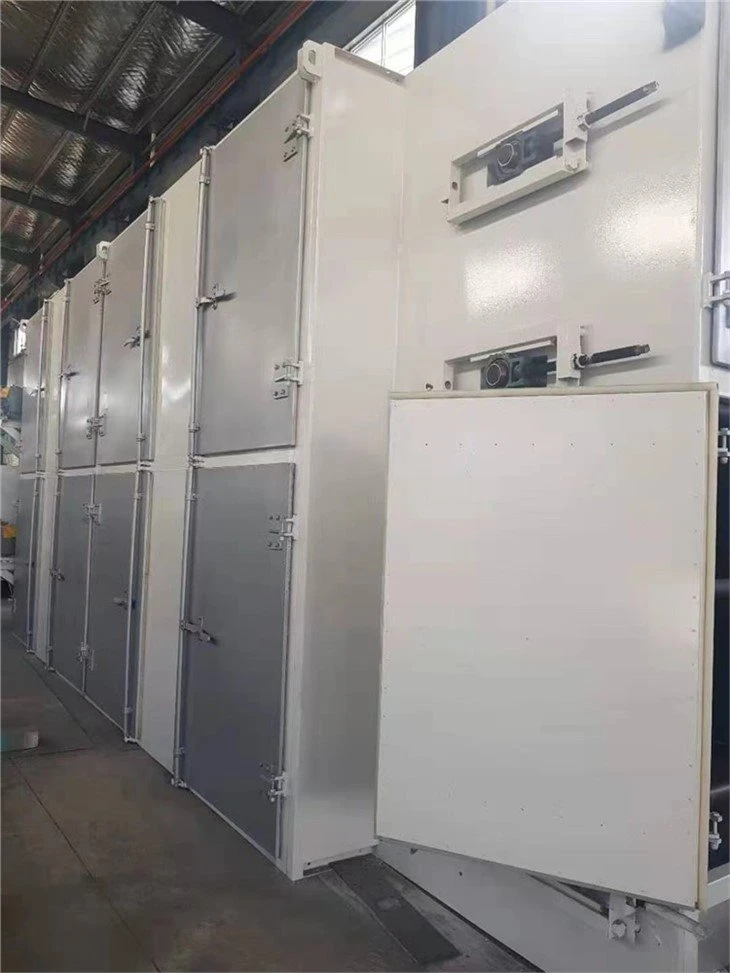

- Preheating: In this stage, the material is heated to the drying temperature. The rate of moisture removal is relatively low during this phase.
- Constant Rate Drying: Once the material reaches the drying temperature, the rate of moisture removal becomes constant. This is the most efficient stage of the drying process.
- Falling Rate Drying: As the moisture content of the material decreases, the rate of moisture removal also slows down. This is known as the falling rate drying stage.
Factors Affecting the Drying Process
Several factors can influence the efficiency and effectiveness of the drying process in a belt dryer. Understanding these factors is key to optimizing the process.
- Temperature: The temperature of the hot air is one of the most critical factors affecting the drying rate. Higher temperatures generally result in faster drying, but they can also cause damage to heat-sensitive materials. It's important to find the optimal temperature for your specific material.
- Airflow: Adequate airflow is essential for efficient drying. The airflow should be evenly distributed across the belt to ensure uniform drying. Insufficient airflow can lead to uneven drying and longer drying times.
- Belt Speed: The speed of the belt determines the residence time of the material in the drying chamber. A slower belt speed allows for more time for drying, but it can also reduce the throughput of the dryer. Finding the right balance between belt speed and drying time is crucial.
- Material Characteristics: The physical and chemical properties of the material being dried, such as particle size, moisture content, and porosity, can significantly affect the drying process. For example, materials with a high moisture content or large particle size may require longer drying times.
Optimization Strategies
Now that we have a better understanding of the basics of belt dryers and the factors affecting the drying process, let's explore some optimization strategies.
1. Optimize Temperature and Airflow
- Temperature Control: Use a temperature controller to maintain a consistent temperature throughout the drying process. This will help ensure uniform drying and prevent overheating of the material.
- Airflow Distribution: Install baffles or air ducts to ensure even airflow across the belt. This will help prevent hot spots and ensure that all parts of the material are dried evenly.
- Recirculation of Hot Air: Consider recirculating a portion of the hot air back into the drying chamber. This can help reduce energy consumption and improve the overall efficiency of the dryer.
2. Adjust Belt Speed
- Test Different Belt Speeds: Conduct tests to determine the optimal belt speed for your specific material. This may require some trial and error, but it will help you find the right balance between drying time and throughput.
- Variable Speed Drive: Install a variable speed drive on the belt conveyor to allow for easy adjustment of the belt speed. This will give you more flexibility in optimizing the drying process.
3. Improve Material Handling
- Pre-Treatment of Material: Consider pre-treating the material before it enters the dryer. This could include reducing the particle size, increasing the surface area, or removing excess moisture. Pre-treatment can help improve the drying efficiency and reduce the drying time.
- Uniform Loading: Ensure that the material is loaded onto the belt evenly. Uneven loading can lead to uneven drying and longer drying times. Use a feeder or distributor to ensure uniform loading.
4. Monitor and Control Moisture Content
- Moisture Sensors: Install moisture sensors in the drying chamber or at the outlet of the dryer to monitor the moisture content of the material. This will allow you to adjust the drying parameters in real-time to ensure that the desired moisture content is achieved.
- Automated Control System: Implement an automated control system that can adjust the temperature, airflow, and belt speed based on the moisture content of the material. This will help optimize the drying process and reduce the need for manual intervention.
Case Studies
To illustrate the effectiveness of these optimization strategies, let's look at a couple of case studies.
Case Study 1: Feed Belt Dryer
A feed processing company was experiencing long drying times and uneven drying in their Feed Belt Dryer. After implementing the optimization strategies outlined above, they were able to reduce the drying time by 30% and improve the uniformity of the dried feed. This resulted in significant cost savings and improved product quality.
Case Study 2: Food Belt Dryer
A food processing company was struggling to dry a heat-sensitive food product without causing damage to its nutritional value. By optimizing the temperature and airflow, adjusting the belt speed, and implementing a moisture monitoring system, they were able to achieve the desired moisture content while preserving the nutritional value of the product. This led to increased customer satisfaction and improved market competitiveness.
Conclusion
Optimizing the drying process in a belt dryer is a complex but achievable task. By understanding the basics of belt dryers, identifying the factors affecting the drying process, and implementing the appropriate optimization strategies, you can enhance the efficiency, improve the product quality, and reduce the operational costs of your dryer.
If you are interested in learning more about optimizing the drying process in your belt dryer or are looking for a high-quality belt dryer for your specific application, please feel free to contact us. We have a team of experts who can provide you with personalized solutions and support to help you achieve your drying goals.
References
- Smith, J. (2020). Belt Dryer Technology: Principles and Applications. Wiley.
- Jones, A. (2019). Optimization of Industrial Drying Processes. Elsevier.
- Brown, C. (2018). Advances in Drying Technology. Springer.