

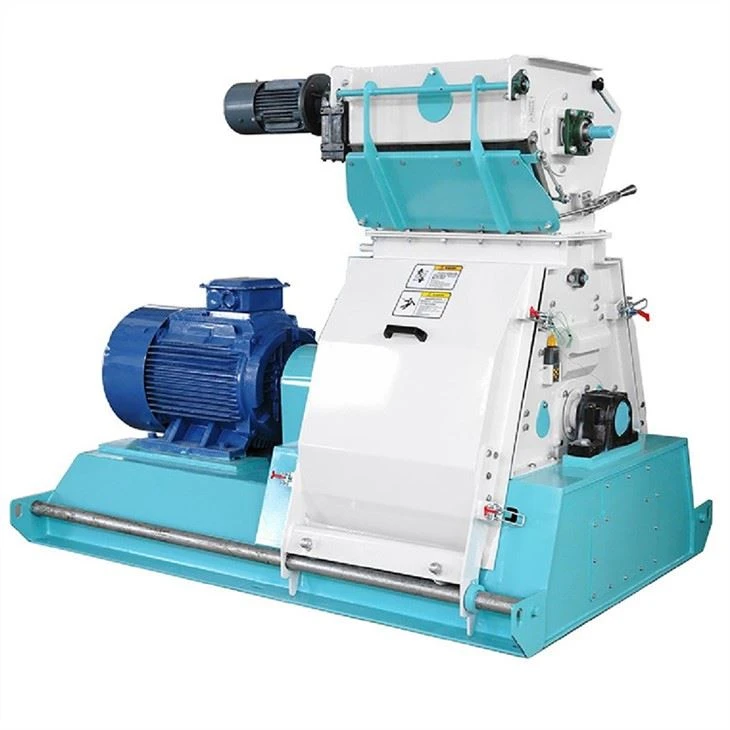
As a supplier of Feed Hammer Mills, one of the most frequently asked questions from our customers is, "How often should the hammers in a Feed Hammer Mill be replaced?" This is a crucial question as the performance and efficiency of a feed hammer mill are significantly influenced by the condition of its hammers. In this blog, we'll explore the factors that determine the replacement frequency of hammers and provide some guidelines to help you make informed decisions.
Factors Affecting Hammer Replacement Frequency
1. Material Being Ground
The type of material you're grinding in the feed hammer mill has a major impact on hammer wear. For instance, grinding hard and abrasive materials such as corn cobs, shells, or fibrous plant materials will cause the hammers to wear out much faster compared to softer materials like grains. Hard materials exert more force on the hammers during the grinding process, leading to increased abrasion and chipping. If you're using a Fine - grinding Hammer Mill for fine - grinding hard substances, you can expect the hammers to need replacement more frequently.
2. Hammer Material and Quality
The quality and material of the hammers themselves play a vital role. High - quality hammers made from wear - resistant alloys or with special heat - treatment processes will last longer than lower - quality ones. Some advanced hammers are designed with a hard - facing layer on the striking surface, which can significantly enhance their wear resistance. When you invest in a Hammer Mill for Cattle, choosing high - quality hammers can reduce the frequency of replacement and save you money in the long run.
3. Operating Conditions
The operating conditions of the feed hammer mill also affect hammer life. Continuous operation at high speeds or with a high feed rate can accelerate hammer wear. Additionally, improper installation or misalignment of the hammers can cause uneven wear, shortening their lifespan. If the mill is not properly maintained, for example, if there is a lack of regular lubrication or if debris is allowed to accumulate inside the mill, it can also contribute to faster hammer deterioration. An Industrial Hammer Mill that operates in a heavy - duty industrial environment may require more frequent hammer replacement due to the demanding operating conditions.
4. Grinding Fineness
The desired grinding fineness is another factor. If you need a very fine grind, the hammers will have to work harder and longer to break down the material into smaller particles. This increased workload can lead to more rapid wear. In contrast, if you're looking for a coarser grind, the hammers will experience less stress, and their replacement interval can be extended.
General Guidelines for Hammer Replacement
Based on our experience and industry knowledge, here are some general guidelines for hammer replacement:
1. Light - Duty Applications
In light - duty applications where the mill is used for grinding relatively soft materials such as grains and operates for a few hours a day, the hammers may last anywhere from 300 to 500 operating hours. For example, if you have a small - scale farm using a feed hammer mill to process feed for a few livestock, and the mill runs for about 2 - 3 hours a day, you can expect to replace the hammers every 3 - 6 months.
2. Medium - Duty Applications
For medium - duty applications, such as small - to - medium - sized feed processing plants that grind a mix of grains and some moderately abrasive materials, and operate the mill for 6 - 8 hours a day, the hammers typically need replacement every 150 - 300 operating hours. This could mean replacing the hammers every 1 - 2 months, depending on the specific operating conditions.
3. Heavy - Duty Applications
In heavy - duty industrial applications, where the mill is continuously operating for long hours and grinding hard, abrasive materials, the hammers may need to be replaced as often as every 50 - 150 operating hours. Large - scale feed mills or industrial facilities using an Industrial Hammer Mill for high - volume production will need to closely monitor the hammer condition and be prepared for more frequent replacements.
Monitoring Hammer Wear
To determine when it's time to replace the hammers, it's important to regularly monitor their wear. Here are some methods:
1. Visual Inspection
Perform a visual inspection of the hammers regularly. Look for signs of excessive wear, such as thinning, chipping, or cracking. If the hammers have lost a significant amount of their original mass or if the edges are severely worn, it's a clear indication that they need to be replaced.
2. Grinding Performance
Monitor the grinding performance of the mill. If you notice a decrease in grinding efficiency, such as longer processing times, larger particle sizes in the output, or an increase in energy consumption, it could be due to worn - out hammers. A drop in the mill's throughput or an inconsistent grind quality are also signs that the hammers may need replacement.
3. Weight Measurement
Periodically weigh the hammers to track their weight loss. As the hammers wear, they will lose mass. If the weight loss exceeds a certain threshold (usually around 10 - 15% of the original weight), it's time to replace them.
Importance of Timely Hammer Replacement
Timely replacement of the hammers in a feed hammer mill is essential for several reasons:
1. Maintaining Grinding Efficiency
Worn - out hammers cannot effectively break down the material, resulting in reduced grinding efficiency. This can lead to longer processing times, higher energy consumption, and inconsistent product quality. By replacing the hammers at the right time, you can ensure that the mill operates at its optimal performance level.
2. Preventing Equipment Damage
Excessively worn hammers can cause damage to other components of the feed hammer mill, such as the screen, rotor, and bearings. The uneven forces generated by worn hammers can lead to increased vibration and stress on these parts, potentially causing premature failure. Timely replacement of hammers can help prevent costly equipment repairs and downtime.
3. Ensuring Product Quality
In the feed industry, product quality is of utmost importance. Worn hammers can produce inconsistent particle sizes, which can affect the nutritional value and palatability of the feed. By replacing the hammers regularly, you can ensure that the feed produced meets the required quality standards.
Conclusion
In conclusion, the frequency of hammer replacement in a feed hammer mill depends on various factors, including the material being ground, hammer material and quality, operating conditions, and grinding fineness. By understanding these factors and following the general guidelines provided, you can determine the appropriate replacement interval for your specific application. Regular monitoring of hammer wear is crucial to ensure timely replacement and maintain the optimal performance of your feed hammer mill.
If you're in the market for a high - quality feed hammer mill or need more information on hammer replacement and maintenance, we're here to help. Our team of experts can provide you with detailed advice and support. Don't hesitate to contact us for a consultation and to discuss your specific requirements. We look forward to the opportunity to work with you and contribute to the success of your feed processing operations.

References
- "Feed Processing Technology" by the American Feed Industry Association.
- Technical manuals and research papers from leading feed hammer mill manufacturers.