

Determining the right feeding rate for a Crumbler is a critical aspect of optimizing its performance and ensuring the quality of the end product. As a Crumbler supplier, I understand the challenges that customers face in finding that perfect balance. In this blog, I will share some insights and guidelines on how to determine the appropriate feeding rate for a Crumbler.
Understanding the Crumbler and Its Function
Before delving into the feeding rate, it's essential to understand what a Crumbler does. A Crumbler is a machine used in the feed manufacturing industry to break large pellets into smaller, more manageable crumbles. This process is crucial for various types of livestock, especially young animals that may have difficulty consuming large pellets.
The Crumbler typically consists of a set of corrugated rolls that rotate in opposite directions. As the pellets pass through the rolls, they are crushed and broken into smaller pieces. The size of the crumbles can be adjusted by changing the gap between the rolls.
Factors Affecting the Feeding Rate
Several factors influence the ideal feeding rate for a Crumbler. Understanding these factors will help you make informed decisions and optimize the performance of your machine.
1. Pellet Size and Quality
The size and quality of the pellets being fed into the Crumbler play a significant role in determining the feeding rate. Larger pellets may require a slower feeding rate to ensure they are properly crushed. Additionally, the hardness and density of the pellets can affect the processing time. For example, harder pellets may take longer to break down, necessitating a lower feeding rate.
2. Crumble Size Requirements
The desired size of the crumbles also impacts the feeding rate. If you need smaller crumbles, you may need to reduce the feeding rate to allow more time for the pellets to be broken down. On the other hand, if larger crumbles are acceptable, you can increase the feeding rate.
3. Machine Capacity
Each Crumbler has a specific capacity, which is determined by its design and specifications. It's crucial to operate the machine within its recommended capacity to avoid overloading and ensure consistent performance. Exceeding the machine's capacity can lead to uneven crumbing, increased wear and tear on the rolls, and potential damage to the equipment.
4. Power and Speed
The power and speed of the Crumbler motor can affect the feeding rate. A more powerful motor can handle a higher feeding rate, while a slower motor may require a lower rate. Additionally, the rotational speed of the rolls can impact the efficiency of the crumbing process. Adjusting the speed of the motor and rolls can help optimize the feeding rate and achieve the desired crumble size.
Methods for Determining the Feeding Rate
There are several methods you can use to determine the appropriate feeding rate for your Crumbler. Here are some common approaches:
1. Trial and Error
One of the simplest methods is to start with a conservative feeding rate and gradually increase it while monitoring the quality of the crumbles. Observe the machine's performance, including the consistency of the crumble size, the amount of fines generated, and the overall efficiency of the process. If the crumbles are too large or the machine is struggling to keep up, reduce the feeding rate. Conversely, if the crumbles are too small or the machine is underutilized, increase the rate.
2. Manufacturer's Recommendations
The manufacturer of the Crumbler usually provides recommended feeding rates based on the machine's specifications and the type of pellets being processed. These recommendations can serve as a starting point for your trials. However, keep in mind that actual feeding rates may vary depending on factors such as pellet quality, crumble size requirements, and the specific operating conditions.
3. Calculation Based on Machine Capacity
Another method is to calculate the feeding rate based on the machine's capacity. Divide the machine's rated capacity (in kilograms per hour) by the desired production rate (in kilograms per hour) to determine the appropriate feeding rate. For example, if the machine has a rated capacity of 1000 kg/h and you want to produce 500 kg/h of crumbles, the feeding rate should be set at 50% of the maximum capacity.
Importance of Maintaining the Right Feeding Rate
Maintaining the right feeding rate is crucial for several reasons:
1. Quality Control
A consistent feeding rate ensures that the crumbles are of uniform size and quality. This is important for the health and growth of the animals consuming the feed. Uneven crumble size can lead to selective feeding, where animals may preferentially eat larger or smaller crumbles, resulting in an unbalanced diet.
2. Machine Efficiency
Operating the Crumbler at the optimal feeding rate maximizes its efficiency and reduces energy consumption. Overfeeding the machine can cause it to work harder, leading to increased wear and tear on the rolls and other components. Underfeeding, on the other hand, can result in underutilization of the machine's capacity and lower productivity.
3. Cost Savings
By maintaining the right feeding rate, you can reduce the amount of waste generated during the crumbing process. Excessive fines and over-crumbled particles can be costly to dispose of and may also affect the quality of the final product. Additionally, optimizing the feeding rate can help extend the lifespan of the Crumbler, reducing the need for frequent repairs and replacements.
Complementary Equipment and Their Role
In a feed manufacturing process, several complementary equipment can work in tandem with the Crumbler to enhance efficiency. For instance, a Horizontal Mixer is used to thoroughly mix different ingredients before pelletizing. A well - mixed feed ensures consistent pellet quality, which in turn affects the performance of the Crumbler.
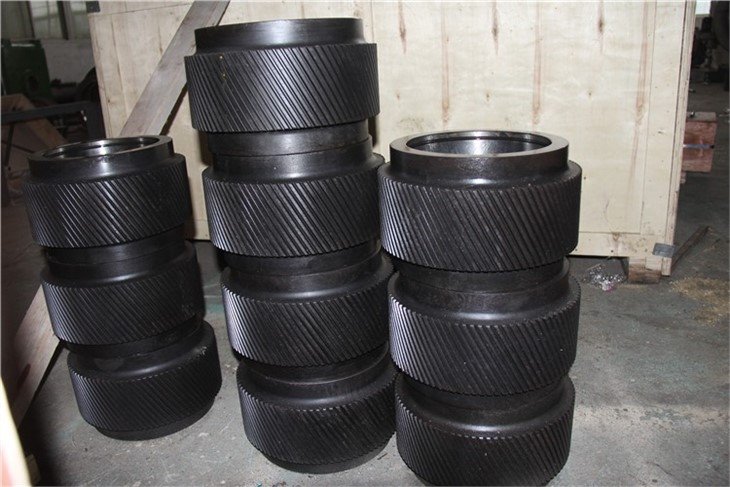
The Roller Assembly for Pellet Mill is another crucial component in the feed production line. It helps in the formation of high - quality pellets, which are then fed into the Crumbler. High - quality pellets are easier to crumble and can tolerate a higher feeding rate in the Crumbler.
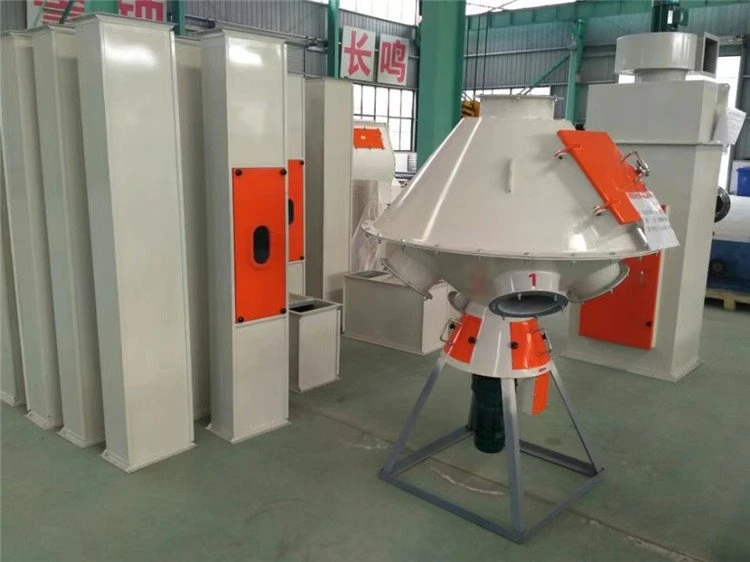
The Powder Rotary Distributor can be used to evenly distribute powder ingredients during the mixing process. This ensures that the final feed has a uniform composition, which is essential for producing consistent pellets and, ultimately, high - quality crumbles.
Conclusion
Determining the right feeding rate for a Crumbler is a complex process that requires careful consideration of several factors. By understanding the machine's function, the factors that affect the feeding rate, and the methods for determining the rate, you can optimize the performance of your Crumbler and produce high - quality crumbles. Remember to start with a conservative rate, monitor the results, and make adjustments as needed.
If you are in the market for a Crumbler or need further assistance in determining the appropriate feeding rate for your existing machine, feel free to contact us. Our team of experts is available to provide you with personalized advice and support to help you achieve the best results in your feed manufacturing process.
References
- Feed Manufacturing Handbook, various industry experts
- Manufacturer's manuals for Crumblers, including technical specifications and operating guidelines
- Research papers on feed processing and equipment optimization