

As a seasoned supplier of Feed Hammer Mills, I often encounter inquiries from customers regarding the space requirements of these essential pieces of equipment. The question, "Does a Feed Hammer Mill require a lot of space?" is a valid one, especially for businesses operating in areas with limited floor space or those looking to optimize their production facilities. In this blog post, I'll delve into the factors that influence the space requirements of a Feed Hammer Mill and provide insights to help you make an informed decision.
Understanding the Basics of a Feed Hammer Mill
Before we discuss the space requirements, let's briefly understand what a Feed Hammer Mill is and how it works. A Feed Hammer Mill is a machine used to grind various materials into smaller particles. It consists of a rotating shaft with hammers attached, which strike the material as it enters the mill. The ground material then passes through a screen, which determines the final particle size.
Feed Hammer Mills are widely used in the feed industry to grind grains, corn, soybeans, and other raw materials into a fine powder or meal. They are also used in other industries, such as the pharmaceutical, chemical, and food processing industries, for similar purposes.
Factors Affecting the Space Requirements of a Feed Hammer Mill
The space requirements of a Feed Hammer Mill depend on several factors, including the size and capacity of the mill, the type of material being processed, the feeding and discharging systems, and the maintenance and cleaning requirements. Let's take a closer look at each of these factors.
Size and Capacity
The size and capacity of a Feed Hammer Mill are the most significant factors affecting its space requirements. Larger mills with higher capacities generally require more space than smaller mills. This is because they have larger motors, more hammers, and bigger screens, which all take up more room.
When choosing a Feed Hammer Mill, it's essential to consider your production needs and the available space in your facility. If you have limited space, you may want to opt for a smaller mill with a lower capacity. However, if you need to process a large volume of material, you'll need a larger mill with a higher capacity.
Type of Material Being Processed
The type of material being processed also affects the space requirements of a Feed Hammer Mill. Some materials, such as grains and corn, are relatively easy to grind and require less space than others, such as fibrous materials or materials with high moisture content.
Fibrous materials, such as hay and straw, tend to clog the hammers and screens of a Feed Hammer Mill, which can reduce its efficiency and increase the risk of damage. To prevent this, you may need to use a larger mill with more powerful motors and bigger screens.
Materials with high moisture content, such as wet grains and fruits, also require more space because they tend to stick to the hammers and screens of the mill. This can cause the mill to overheat and reduce its efficiency. To prevent this, you may need to dry the material before processing it or use a mill with a special design that can handle wet materials.
Feeding and Discharging Systems
The feeding and discharging systems of a Feed Hammer Mill also affect its space requirements. The feeding system is responsible for delivering the material to the mill, while the discharging system is responsible for removing the ground material from the mill.
Some Feed Hammer Mills come with built-in feeding and discharging systems, while others require separate equipment. If you choose a mill with a built-in feeding and discharging system, you'll need less space because the equipment is integrated into the mill. However, if you choose a mill that requires separate equipment, you'll need more space to install and operate the feeding and discharging systems.
Maintenance and Cleaning Requirements
The maintenance and cleaning requirements of a Feed Hammer Mill also affect its space requirements. Regular maintenance and cleaning are essential to ensure the proper functioning of the mill and to prevent breakdowns and accidents.
To perform maintenance and cleaning on a Feed Hammer Mill, you'll need to have enough space around the mill to access the various components. You'll also need to have a clean and dry area to store the tools and equipment needed for maintenance and cleaning.
Examples of Feed Hammer Mills and Their Space Requirements
To give you a better idea of the space requirements of different types of Feed Hammer Mills, let's take a look at some examples.
Fish Feed Hammer Mill
A Fish Feed Hammer Mill is a specialized type of Feed Hammer Mill used to grind fish feed ingredients into a fine powder. These mills are typically smaller and more compact than other types of Feed Hammer Mills, and they require less space.
A typical Fish Feed Hammer Mill with a capacity of 1-2 tons per hour may require a floor space of approximately 2-3 square meters. This includes the space needed for the mill itself, the feeding and discharging systems, and the maintenance and cleaning area.
,Fine-grinding Hammer Mill
A Fine-grinding Hammer Mill is a type of Feed Hammer Mill used to produce a very fine powder or meal. These mills are typically larger and more powerful than other types of Feed Hammer Mills, and they require more space.
A typical Fine-grinding Hammer Mill with a capacity of 5-10 tons per hour may require a floor space of approximately 5-10 square meters. This includes the space needed for the mill itself, the feeding and discharging systems, and the maintenance and cleaning area.
Hammer Mill for Cattle
A Hammer Mill for Cattle is a type of Feed Hammer Mill used to grind cattle feed ingredients into a coarse or fine powder. These mills are typically larger and more powerful than Fish Feed Hammer Mills, but smaller and less powerful than Fine-grinding Hammer Mills.
A typical Hammer Mill for Cattle with a capacity of 3-5 tons per hour may require a floor space of approximately 3-5 square meters. This includes the space needed for the mill itself, the feeding and discharging systems, and the maintenance and cleaning area.
Tips for Optimizing the Space Usage of a Feed Hammer Mill
If you're operating a Feed Hammer Mill in a limited space, there are several tips you can follow to optimize the space usage and improve the efficiency of your production facility.
Choose the Right Size and Capacity
As mentioned earlier, choosing the right size and capacity of a Feed Hammer Mill is essential to ensure that it fits into your available space and meets your production needs. Before purchasing a mill, carefully consider your production requirements and the available space in your facility.
Use a Compact Design
When choosing a Feed Hammer Mill, look for a model with a compact design that takes up less space. Some mills are designed to be more compact than others, and they may have features such as a smaller footprint, a vertical design, or a modular construction.
Install the Mill in a Strategic Location
Installing the Feed Hammer Mill in a strategic location can also help you optimize the space usage of your production facility. Choose a location that is easily accessible for maintenance and cleaning, and that allows for efficient feeding and discharging of the material.
Use a Centralized Feeding and Discharging System
Using a centralized feeding and discharging system can also help you save space and improve the efficiency of your production facility. A centralized system allows you to feed and discharge the material from multiple mills using a single set of equipment, which reduces the amount of space needed for the feeding and discharging systems.
Implement a Regular Maintenance and Cleaning Schedule
Implementing a regular maintenance and cleaning schedule is essential to ensure the proper functioning of the Feed Hammer Mill and to prevent breakdowns and accidents. By keeping the mill clean and well-maintained, you can also reduce the risk of clogging and damage, which can improve its efficiency and extend its lifespan.
Conclusion
In conclusion, the space requirements of a Feed Hammer Mill depend on several factors, including the size and capacity of the mill, the type of material being processed, the feeding and discharging systems, and the maintenance and cleaning requirements. By understanding these factors and following the tips outlined in this blog post, you can choose the right Feed Hammer Mill for your production needs and optimize the space usage of your production facility.
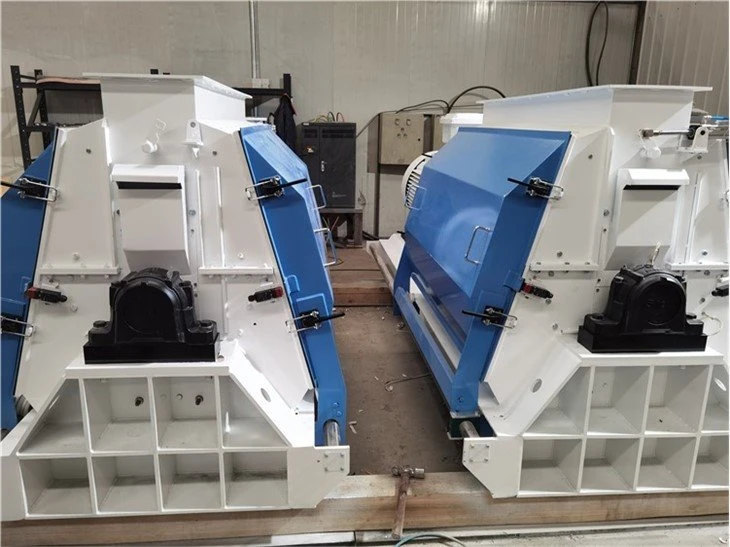

If you're interested in purchasing a Feed Hammer Mill or have any questions about the space requirements or other aspects of these machines, please don't hesitate to contact us. Our team of experts is always available to provide you with the information and support you need to make an informed decision.
References
- Feed Mill Machinery Handbook, Second Edition, edited by Peter C. Cheeke
- Handbook of Feed Manufacturing Technology, Third Edition, edited by J.F. Gregory
- Principles of Feed Milling, Second Edition, by R. D. Webster