

As a supplier of feed pellet mills, I am often asked whether our machines can produce feed pellets for pets. The answer is a resounding yes! Our feed pellet mills are versatile and can be used to produce high - quality feed pellets for a wide range of pets, including dogs, cats, rabbits, and even small birds.
Understanding the Basics of Feed Pellet Production
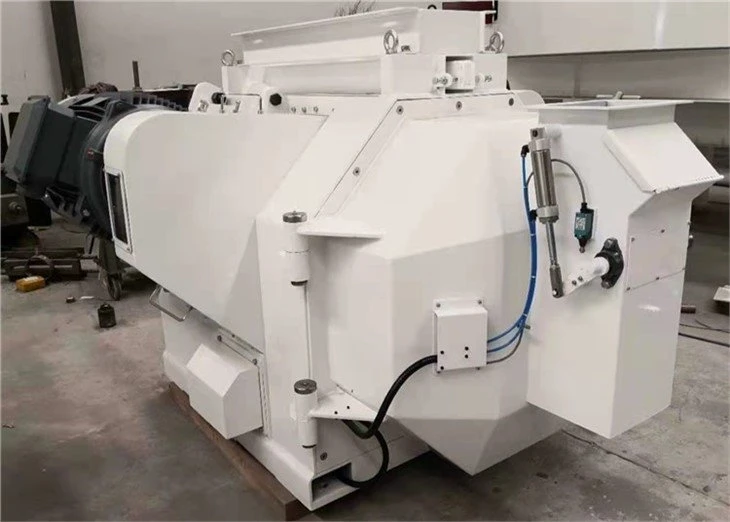
Before delving into the specifics of pet feed production, it's essential to understand how a feed pellet mill works. A feed pellet mill is a machine that compresses raw feed materials into small, uniform pellets. The process typically involves grinding the raw materials, mixing them with appropriate additives (such as vitamins, minerals, and binders), and then passing the mixture through a die under high pressure. The die has holes of a specific size and shape, which determines the size and shape of the resulting pellets.
The key advantage of using a feed pellet mill is that it allows for precise control over the composition and quality of the feed. This is particularly important when it comes to pet food, as different pets have different nutritional requirements. For example, dogs need a diet rich in protein, while cats require a higher proportion of animal - based proteins and certain fatty acids.
Advantages of Pelleted Feed for Pets
Pelleted feed offers several benefits for pets and their owners. Firstly, it is more convenient to store and handle compared to loose feed. Pellets are less likely to spill or become contaminated, and they can be easily measured out for each feeding. Secondly, pelleted feed is more digestible for many pets. The compression process during pellet production can break down the cell walls of the raw materials, making the nutrients more accessible to the pet's digestive system.
Another advantage is that pelleted feed can be formulated to meet the specific nutritional needs of different pets. This means that you can ensure your pet is getting all the essential vitamins, minerals, and other nutrients it needs for optimal health. Additionally, pelleted feed can help maintain dental health in pets. The act of chewing on the hard pellets can help remove plaque and tartar from the teeth, reducing the risk of dental problems.
Using Our Feed Pellet Mills for Pet Feed Production
Our company offers a variety of feed pellet mills suitable for producing pet feed. For small - scale production or for those who want to test different formulations, our Pellet Mill Lab - size is an excellent choice. It is compact, easy to operate, and can produce high - quality pellets in small batches.
If you are looking for a more industrial - scale solution, our Pellet Mill SZLH Series is designed for large - volume production. These mills are highly efficient and can handle a wide range of raw materials, including grains, oilseeds, and animal by - products.
When producing pet feed, it is important to select the right raw materials. For example, for dog food, you might use a combination of grains (such as corn, wheat, and barley), meat and bone meal, and vegetable oils. For cat food, a higher proportion of animal - based proteins, such as fish meal and chicken meal, is required. Our feed pellet mills can handle these different materials and ensure that they are evenly mixed and compressed into high - quality pellets.
Quality Control in Pet Feed Production
Quality control is crucial when producing pet feed. Our feed pellet mills are designed to ensure consistent pellet quality. The machines are equipped with advanced control systems that monitor and adjust the pressure, temperature, and moisture content during the pellet production process. This helps to ensure that the pellets are of uniform size, density, and nutritional value.
In addition to the technical features of the machines, we also recommend conducting regular quality checks on the raw materials and the finished pellets. This can include testing for moisture content, protein content, and the presence of any contaminants. By maintaining strict quality control standards, you can ensure that the pet feed you produce is safe and nutritious for your furry friends.
Customizing Pet Feed Formulations
One of the great advantages of using our feed pellet mills is the ability to customize pet feed formulations. Different pets have different preferences and nutritional needs, and our machines allow you to experiment with different raw materials and additives to create the perfect feed for your target market.

For example, if you are producing feed for senior pets, you might want to include ingredients that support joint health, such as glucosamine and chondroitin. For pets with sensitive stomachs, you could use easily digestible ingredients like rice and sweet potatoes. Our team of experts can provide you with guidance on formulating the best pet feed for different types of pets and their specific requirements.
Applications in Different Pet Categories
Dogs
Dogs are one of the most common pets, and their feed requirements can vary depending on their age, breed, and activity level. Puppies need a diet that is high in protein and calories to support their growth and development. Our feed pellet mills can be used to produce puppy food that is rich in essential amino acids, vitamins, and minerals. Adult dogs, on the other hand, may require a more balanced diet to maintain their health and energy levels.
Cats
Cats are obligate carnivores, which means they require a diet that is primarily based on animal proteins. Our feed pellet mills can be used to produce cat food that contains high - quality animal - based ingredients, such as chicken, fish, and beef. These ingredients are rich in taurine, an essential amino acid for cats that is not found in plant - based proteins.
Rabbits
Rabbits are herbivores, and their diet should consist mainly of hay, fresh vegetables, and a small amount of pelleted feed. Our feed pellet mills can be used to produce rabbit feed that is rich in fiber and other nutrients. The pellets can be formulated to provide the right balance of vitamins and minerals to keep rabbits healthy.
Small Birds
Small birds, such as parrots and canaries, also have specific dietary requirements. Our feed pellet mills can be used to produce bird feed that is tailored to the needs of different species. For example, parrot feed might include a variety of grains, nuts, and fruits, while canary feed could be formulated with a higher proportion of seeds.
Conclusion
In conclusion, our feed pellet mills are highly capable of producing high - quality feed pellets for pets. Whether you are a small - scale producer looking to make custom pet food or a large - scale manufacturer, our machines can meet your needs. With the ability to customize formulations, ensure consistent quality, and produce feed for a wide range of pets, our feed pellet mills are the ideal solution for pet feed production.
If you are interested in learning more about our feed pellet mills or have any questions about producing pet feed, we encourage you to get in touch with us. Our team of experts is ready to assist you in selecting the right machine and formulating the best pet feed for your market. We look forward to the opportunity to work with you and help you take your pet feed production to the next level.
References
- "Pet Food Science and Technology" by James G. Morris
- "The Nutritional Requirements of Dogs and Cats" by the National Research Council
- Industry reports on pet feed production and trends