

Hey there! As a supplier of feed pellet mills, I often get asked a bunch of questions from farmers, small business owners, and folks interested in the animal feed industry. One question that pops up quite a bit is, "Can a feed pellet mill be powered by diesel?" Well, let's dig into this topic and find out.
Understanding Feed Pellet Mills
First off, let's talk a bit about what feed pellet mills are. These machines are super important in the animal feed production process. They take raw materials like grains, grasses, and other feed ingredients and turn them into compact pellets. These pellets are easier to store, transport, and feed to animals. There are different types of feed pellet mills out there, from small-scale ones suitable for home use to large industrial models for commercial operations.
If you're specifically looking for a Poultry Pellet Mill, we've got you covered. It's designed to meet the unique needs of poultry feed production, ensuring that your feathered friends get the nutrition they need in a convenient pellet form.
Powering Options for Feed Pellet Mills
Feed pellet mills can be powered in several ways. The most common power sources are electricity, diesel, and gasoline. Each has its own pros and cons, and the choice often depends on your specific situation.
Electric Feed Pellet Mills
Electric pellet mills are popular because they're relatively clean, quiet, and easy to operate. They're a great choice if you have a reliable power supply. However, they do require access to an electrical outlet, which can be a problem in some rural areas or during power outages.
Gasoline-Powered Feed Pellet Mills
Gasoline-powered mills are portable and can be used in places where electricity isn't available. They're also relatively easy to start up. But they tend to be more expensive to run in the long term, and they produce more emissions compared to electric mills.
Diesel-Powered Feed Pellet Mills
Now, let's focus on diesel-powered feed pellet mills. Diesel engines have been around for a long time and are known for their durability and efficiency. They can generate a lot of power, which is great for larger feed pellet mills that need to process a high volume of materials.

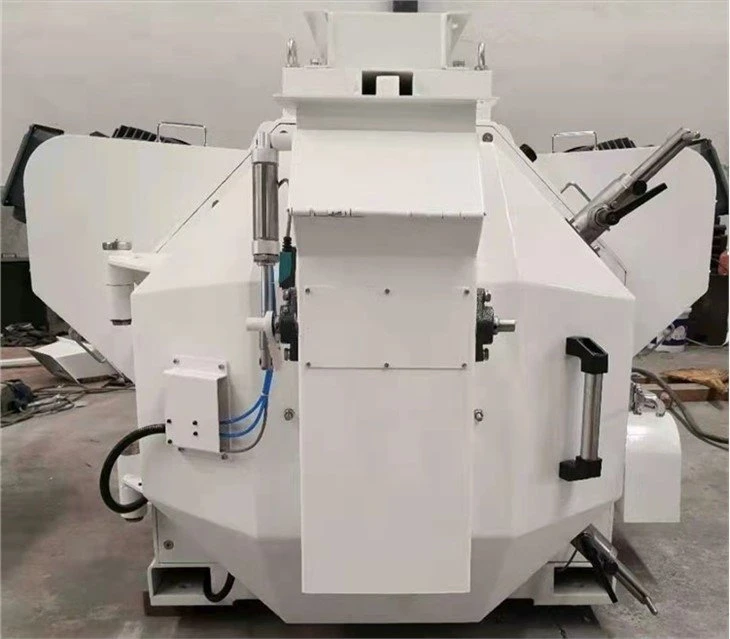
One of the big advantages of diesel-powered mills is their fuel efficiency. Diesel fuel contains more energy per gallon than gasoline, so you can get more work done with less fuel. This can save you money in the long run, especially if you're running the mill for extended periods.
Diesel engines are also very reliable. They're built to withstand tough conditions and can operate for long hours without breaking down. This is crucial in a commercial setting where downtime can mean lost production and revenue.
Another benefit is that diesel fuel is widely available. You can find it at most gas stations, so you don't have to worry about running out of fuel in the middle of a production run.
However, diesel-powered mills do have some drawbacks. They're generally more expensive to purchase than electric or gasoline-powered models. They also produce more noise and emissions, which can be a concern in some areas. And like any diesel engine, they require regular maintenance to keep them running smoothly.
Our Pellet Mill SZLH Series
We offer the Pellet Mill SZLH Series, which is available in both electric and diesel-powered options. This series is known for its high production capacity and excellent pellet quality. Whether you choose the electric or diesel version, you can expect a reliable and efficient machine that will help you produce high-quality feed pellets.
The Role of Stainless Steel Hygienizer
In addition to the feed pellet mill itself, another important component in the feed production process is the Stainless Steel Hygienizer. This device helps to ensure the hygiene and safety of the feed pellets. It uses heat and steam to kill bacteria and other pathogens, making the feed safer for animals to consume.
Making the Right Choice
So, should you choose a diesel-powered feed pellet mill? Well, it depends on your specific needs and circumstances. If you're in a rural area with limited access to electricity, or if you need a machine that can run for long hours without interruption, a diesel-powered mill might be the right choice for you. On the other hand, if you have a reliable power supply and want a quieter, cleaner option, an electric mill could be better.
If you're still not sure which power source is best for your feed pellet mill, don't hesitate to reach out to us. Our team of experts can help you evaluate your options and make an informed decision.
Why Choose Our Feed Pellet Mills
As a feed pellet mill supplier, we take pride in offering high-quality products and excellent customer service. Our mills are built to last, using the latest technology and the best materials. We also offer a wide range of models to suit different needs and budgets.
Whether you're a small-scale farmer looking to produce your own animal feed or a large commercial operation in need of a high-capacity mill, we have the right solution for you. And if you ever need technical support or replacement parts, our team is here to help.
Contact Us for Purchase and洽谈
If you're interested in purchasing a feed pellet mill, or if you have any questions about our products, we'd love to hear from you. You can reach out to us to start a discussion about your specific requirements. We're committed to helping you find the perfect feed pellet mill for your needs and ensuring that you get the most out of your investment.
References
- "Feed Pellet Mill Technology and Applications" - A comprehensive guide on the different types of feed pellet mills and their powering options.
- "Diesel Engine Basics" - An overview of diesel engine technology and its advantages and disadvantages.
- Industry reports on the animal feed production sector, which provide insights into the latest trends and best practices.